
Premium Ready to Drink Cocktails Worth Pouring at Your Next Happy Hour
You grab a chilled bottle of a **premium ready to drink cocktail** from the fridge after a long day, twist the cap, and pour a perfectly balanced negroni over one big ice cube—no shaker, no vermouth math. These drinks skip the bartender’s guesswork by using top-shelf spirits and real citrus or botanicals, sealed at peak freshness so every sip tastes like it was just stirred. You pour, you sip, you’re done—no measuring, no messy lime wedges, just a crisp, high-end cocktail that fits into five minutes of your evening. They’re your shortcut to a craft bar moment, whether you’re relaxing solo or pouring rounds for friends without missing the conversation.
What Exactly Makes a Ready-to-Drink Cocktail “Premium”?
A premium ready-to-drink cocktail is defined by the fidelity of its recipe and the integrity of its ingredients. It begins with real spirits—not malt liquor or neutral grain alcohol—and uses fresh citrus, natural botanicals, and quality sweeteners, never artificial flavors or high-fructose syrup. The proof point matters: a premium can should hold its ABV like a bar pour, not a diluted malt beverage. Craft production methods—such as small-batch blending, cold filtration, and nitrogen flushing to prevent oxidation—preserve volatile aromatics. The espresso martini gift set packaging reflects this: a heavy-gauge can or glass bottle with a sleek, minimalist label signals attention to detail before you sip. Crucially, the best premium RTDs taste balanced and layered, with a clear spirit character that emerges ice-cold, proving it was designed as a true cocktail, not a mixer shortcut.
Key Differences Between Bar-Quality Canned Drinks and Standard Mixers
Bar-quality canned drinks start with real citrus juice and full-proof spirits, whereas standard mixers rely on artificial flavors and low-grade alcohol that tastes sharp or syrupy. Premium RTDs use cold-brewed botanicals and cane sugar for a clean finish, while standard options often mask off-notes with excessive sweetness or carbonation. A canned bar-quality pour delivers a balanced, spirit-forward profile that mimics a freshly shaken cocktail; standard mixers skew thin, watery, or cloyingly sweet, sacrificing depth for shelf stability. The texture also separates them—premium cans feature a silky mouthfeel from proper dilution and filtration, not the fizzy, overly carbonated bite typical of mass-market mixers. That’s the core distinction: authentic cocktail structure versus convenience-driven imitation.
Why Real Spirits, Craft Botanicals, and Small-Batch Production Matter
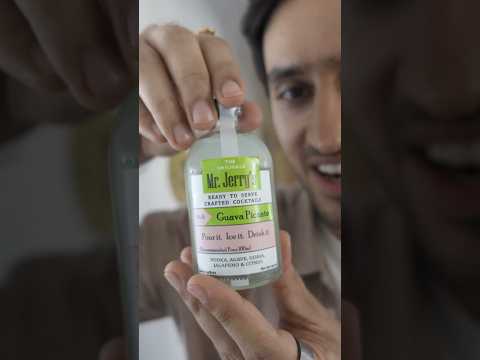
The foundation of a truly premium ready-to-drink cocktail lies in its liquid, not its packaging. Real spirits and craft botanicals replace artificial extracts and grain-neutral bases with distinct character, offering a depth of flavor that survives dilution and canning. Small-batch production allows for manual oversight and precise, unhurried infusion, ensuring that delicate botanical oils and spices are integrated without harsh heat or mass-production shortcuts. This method preserves aromatic complexity and a balanced mouthfeel. *A small-batch gin’s juniper and citrus notes will evolve beautifully over ice, whereas a mass-produced version often tastes flat and one-dimensional.* Ultimately, these choices translate to a drink that mimics a bartender’s fresh build, delivering a layered, authentic experience rather than a mere cocktail-flavored beverage.
How to Choose the Best Premium Cocktails for Your Taste Profile
Start by mapping your usual bar order—if you crave citrus-forward brightness, look for RTD gimlets or margaritas with cold-pressed lime, not artificial sour mix. For smoke and spice, a mezcal-based Paloma with agave syrup and chili tincture will beat a generic vodka soda. Check the base spirit’s proof and botanical list; a barrel-aged Negroni in a can should sting with juniper and bitter orange, not caramel sweetness. Swirl the bottle after shaking—premium cans often leave a haze from real fruit pulp, a good sign. Ask yourself: “If I sip this blind, does the finish linger or vanish?” If the aftertaste is clean, not cloying, you’ve matched your profile. For example, a bourbon Old Fashioned with demerara and angostura suits dessert-leaning palates, while a gin fizz with yuzu and egg white fits crisp, tart drinkers. Buy singles first, taste against your favorite cocktail bar’s version, then stock up on the one that feels like a memory, not a compromise.
Matching Flavor Notes (Citrus, Herbal, Smoky, Sweet) to Your Preferences
To nail your pick, think of flavor notes as your cocktail’s personality. Crave something bright and refreshing? Citrus-forward premium ready to drink cocktails with yuzu or grapefruit cut through richness and feel crisp. If you love earthy depth, herbal options—think rosemary or chamomile—add a botanical twist that’s smooth and intriguing. Smoky notes, like mezcal or lapsang souchong, deliver a bold, campfire-like bite perfect for evenings. Sweet profiles, meanwhile, lean on vanilla, honey, or caramel for a dessert-like finish. Match your mood: go citrus for heat, herbal for relaxation, smoky for intensity, sweet for indulgence.
- Citrus pairs best with seafood or spicy snacks.
- Herbal suits gin or tequila bases with low sugar.
- Smoky complements dark chocolate or grilled meats.
- Sweet balances bitter ingredients like espresso or amaro.
Alcohol by Volume (ABV) vs. Refreshment: Finding the Right Balance
When selecting a premium ready-to-drink cocktail, the ABV dictates how the refreshment lands on your palate, not just its potency. A high-alcohol formula often amplifies warmth and botanical bitterness, which can overpower delicate citrus or floral notes, making sips feel heavier rather than crisp. Conversely, a lower ABV lets effervescence and fruit-forward sweetness shine, but it risks tasting watery if the balance is off. Look for cans around 7–10% ABV, where the spirit’s structure remains present yet allows tonic, soda, or juice to breathe. Testing a chilled sip reveals whether the alcohol heat clashes with or complements the finish. Ultimately, your ideal ratio depends on whether you crave a slow-sipping complexity or a bright, sessionable quench—never sacrifice refreshing mouthfeel purely for a stronger kick.

Practical Ways to Serve and Elevate These Canned and Bottled Drinks

To elevate a premium ready-to-drink cocktail, start with the glass—chill a coupe or rocks glass for at least fifteen minutes, then pour over a single, large ice sphere to control dilution rather than dumping cubes. For canned options, crack and decant immediately into a pre-rinsed glass with a expressed citrus peel, twisting it over the surface to release oils that mimic a fresh garnish. Warm canned Negronis by placing the sealed can in hot water for three minutes, never the microwave, to unlock herbal notes without flattening carbonation. Finish bottled martinis with a tiny splash of saline solution or a drop of olive brine to sharpen the spirit’s edge. The true shift happens when you treat the pour as a ritual—not a rescue—letting texture and temperature do the heavy lifting before your first sip. Add a dehydrated wheel or a single coffee bean for visual intrigue, but never overcrowd the rim.
Glassware, Garnishes, and Ice That Transform a Single-Serve Bottle
Pouring a premium single-serve cocktail over a single large-format ice cube—rather than crushed ice—minimizes dilution while preserving carbonation and layered aromatics, making the cube the first transformative choice. Selecting glassware by profile matters: a chilled Nick & Nora concentrates herbal esters, while a rocks glass opens up barrel-aged expressions, and a stemmed coupe protects the liquid from palm heat. Garnishes and ice work as a unit, not decoration: a expressed orange oil ribbon lands on a frozen sphere’s surface tension, while a dehydrated lime wheel rests on an ice crown to delay moisture absorption and keep the rim dry. Skip pre-cut citrus slices—their juice alters the bottle’s engineered balance before the first sip. For smoked or spiced variants, a single rosemary sprig trapped in an ice cube releases slowly, extending the finish without overwhelming the pour.
The bottle is the baseline; ice density, vessel geometry, and garnish placement dictate whether it drinks flat or layered.
Chilling Times, Serving Temperatures, and When to Pour Over Fresh Ice
Chilling premium RTDs transforms them entirely, so aim for **90 minutes in a full fridge** or just 20 minutes in an ice bucket with salted water—never the freezer, which dulls carbonation. Serve gin or vodka-based cans at 38–42°F for crisp botanicals, while rum or whiskey blends shine slightly warmer, around 45–50°F, unlocking deeper caramel notes. *Pour over fresh ice only when the drink is already chilled, as room-temperature liquid melts cubes too fast and waters down the cocktail.* For highballs or citrus-forward recipes, fresh ice adds essential dilution and fizz; for straight sippers, skip the cubes entirely and serve neat from the bottle. Keep a thermometer handy—temperature swings of just five degrees change the entire flavor profile.
How Long Do Premium Ready-to-Drink Cocktails Stay Fresh and Safe?
Premium ready-to-drink cocktails typically stay fresh and safe for 12 to 18 months when stored unopened in a cool, dark place, thanks to their high acidity, sugar content, and sealed packaging. Once you crack the seal, the clock speeds up dramatically: you should consume the drink within 2 to 3 days to enjoy optimal flavor and safety, as oxygen begins to degrade delicate botanicals and citrus oils. Refrigeration after opening is non-negotiable, as it slows microbial growth even with the alcohol and preservatives present. While the ABV in premium ready-to-drink cocktails helps inhibit harmful bacteria, it does not protect against oxidation or flatness. Always check for a “best by” stamp on the can or bottle; a bloated can or off aroma signals spoilage, so pour it out immediately.
Understanding Expiry Dates, Storage Conditions, and Once-Opened Shelf Life
Deciphering the shelf life of premium cocktails begins with the printed date, yet true freshness hinges on your habits. An unopened bottle’s stability depends on storage—keep it cool, dark, and upright to slow oxidation. However, once you break the seal, oxygen becomes the enemy, accelerating flavor degradation regardless of the expiry date. Most premium options remain vibrant for 3–5 days chilled, but citrus-forward recipes fade faster, while spirit-heavy blends hold longer. Always sniff and taste before serving, as aromatics dull first. Refrigeration is non-negotiable post-opening, and never return a half-finished glass to the bottle.
Which Formats (Cans, Glass Bottles, Pouches) Preserve Flavor Best
When it comes to which formats preserve flavor best, **glass bottles are the gold standard** for premium ready-to-drink cocktails. They’re completely inert, so no metallic taste leaches into your drink, and they protect delicate botanicals and citrus notes far longer than cans, which can sometimes impart a slight tinny edge—especially after months on a shelf. Pouches, while fun and portable, are the weakest link; the thin plastic layers allow more oxygen exchange, which dulls bright flavors faster. If you’re sipping within a couple months, cans are fine, but for peak freshness and that crisp first-pour taste, glass wins every time.
- Choose glass for long-term storage and highest fidelity.
- Opt for cans if you’ll drink within 8–10 weeks.
- Avoid pouches if you care about preserving subtle aromatic layers.
Common Mistakes People Make with Pre-Made Craft Cocktails
The most common mistake with premium ready-to-drink cocktails is serving them over low-quality ice, which dilutes the spirit and masks the carefully balanced flavors. Another frequent error is ignoring the recommended serving temperature; many canned cocktails are meant to be poured over a large cube, not chilled in the freezer, which can dull aromatic compounds. People also tend to shake or stir pre-mixed drinks unnecessarily, disrupting the delicate carbonation or texture the brand engineered. Treating a pre-made cocktail as a base rather than a finished product often leads to over-garnishing, which overwhelms the intended profile. Finally, drinking directly from the can bypasses the glassware designed to enhance the nose—pour it into a chilled rocks or coupe glass. Check the label for a specific dilution ratio before adding anything, and never add extra citrus or bitters to a premium blend, as it will throw off the calibrated balance.
Avoiding Over-Dilution, Wrong Glassware, and Misjudging Sweetness
Over-dilution occurs when drinkers add ice directly to a premium ready-to-drink cocktail and let it sit, flattening the carefully calibrated flavor profile. Instead, chill the bottle and pour over one large ice sphere, which melts slower than cubes. Wrong glassware compounds this: serving a Manhattan in a tall highball exposes it to excess oxygen and warmth, so use a coupe or rocks glass to preserve aroma and temperature. Finally, misjudging sweetness often stems from treating the cocktail as a base spirit; these products are already balanced, so adding simple syrup or sweet liqueurs destroys their intended structure. A quick taste test before any adjustment—then trust the manufacturer’s recipe—prevents over-dilution and sweetness errors. Keep garnishes citrus-forward, never sugary, to maintain balance.
Why Shaking Some Bottled Drinks (and NOT Others) Improves the Finish
Shaking a bottled cocktail isn’t a universal fix—it’s a targeted technique that hinges on ingredients. Citrus-forward drinks, like margaritas or daiquiris, benefit dramatically because shaking aerates and lightly froths the juice, softening sharp acidity and creating a silkier, more integrated finish. Conversely, stirred-style bottles—Manhattans or negronis—should never be shaken; agitation bruises the spirits and introduces micro-bubbles that fragment the velvety texture, leaving a harsh, watery tail. The rule is simple: if it tastes bright and juicy, shake; if it’s dark and spiritous, pour gently. This distinction is the key to unlocking a balanced bottled cocktail finish, turning a flat pour into a rounded, restaurant-quality sip.
What Is the Best Way to Host with Premium RTD Cocktails?
The best way to host with premium RTD cocktails is to treat them like bottled art, not canned convenience. Chill them thoroughly—ideally in a freezer for 20 minutes—then pour over a single large ice cube in a proper glass to mimic a bar pour. Skip the bottle; instead, display the labels facing guests as a conversation starter, and garnish each serve with a fresh citrus twist or herb sprig to elevate the flavor profile. Offer two contrasting options, like a bold Negroni and a crisp Margarita, and let guests self-serve from a tray to keep the flow relaxed.
Your job is to add the sensory touch, not the alcohol—ice and garnish do the heavy lifting.
Pair with neutral snacks like marinated olives or salted chips to cleanse the palate between sips, and always keep an extra back-up bottle chilled for refills.
Pairing Pre-Made Cocktails with Food: Appetizers, Mains, and Desserts
Pairing premium RTD cocktails with food requires matching intensity, not just flavor. For appetizers, a bright, citrus-forward margarita or gin-based spritz cuts through fried or salty bites like calamari or olives, while a smoky mezcal negroni complements charcuterie’s rich fats. With mains, opt for a rum old fashioned alongside grilled steak, as its caramel notes echo the char; for lighter fish or chicken, a vodka martini’s clean, herbaceous profile cleanses the palate without overpowering. Desserts demand sweetness balance—pair a coffee-flavored espresso martini with dark chocolate mousse, or a low-ABV amaro-based cocktail with panna cotta to avoid cloying. Strategic pairing hinges on acid and sugar symmetry, ensuring each sip refreshes the bite rather than competing.
Q: What is the safest rule for pairing premium RTD cocktails across all three courses?
A: Match the cocktail’s body weight to the dish’s—light spritzes with appetizers, spirit-forward drinks with mains, and dessert cocktails that are sweeter than the plate to prevent the food from tasting bitter.
How to Create a Self-Serve Bar Setup Using Individual Bottles without a Bartender
Arrange a dedicated table where each guest picks a fully finished premium ready-to-drink cocktail bottle, eliminating any mixing or measuring. Place bottles in ice-filled galvanized tubs or a countertop cooler, grouped by flavor profile with small tent cards noting tasting notes and chill instructions. Add a separate station with glassware, garnishes like citrus wheels or herbs, and a bucket for empties, keeping the flow linear so guests serve themselves without crowding. Label each bottle’s cap with a numbered sticker matching a menu card to speed selection, and stock two of every SKU to prevent gaps. This self-serve bottle bar setup ensures zero behind-the-counter work while maintaining premium presentation.
Create a self-serve bar by displaying individual premium RTD bottles in ice, labeling flavors clearly, and providing glassware and garnishes at a separate station—guests grab, pour, and go without any bartender.